Statistics Course
Welcome to Crash Course Statistics! In this series we're going to take a closer look at how statistics play a significant role in our everyday lives. Now this a "math" course, and there will definitely be some math, but we're going to focus on how statistics is useful and valuable to you - someone that performs AND consumes statistics all the time. Statistics are everywhere from batting averages and insurance rates to weather forecasting and smart assistants, and it's our hope that when y
- Lesson: 10
- 01:48:08 Hrs
- Last Updated 26.08.2025
What will i learn??
- Advance
Curriculum for this course Lesson: 10 01:48:08 Hrs
Section 1: Statistics Preview Lesson
- Lesson 1: Statistics Preview00:02:59
Section 2: Correlation Doesn't Equal Causation: Crash Course Statistics Lesson
- Lesson 2: Correlation Doesn't Equal Causation: Crash Course Statistics00:12:17
Section 3: The Shape of Data: Distributions: Crash Course Statistics Lesson
- Lesson 3: The Shape of Data: Distributions: Crash Course Statistics00:11:22
Section 4: Plots, Outliers, and Justin Timberlake: Data Visualization Part 2: Crash Course Statistics Lesson
- Lesson 4: Plots, Outliers, and Justin Timberlake: Data Visualization Part 2: Crash Course Statistics00:11:36
Section 5: Charts Are Like Pasta - Data Visualization Part 1: Crash Course Statistics Lesson
- Lesson 5: Charts Are Like Pasta - Data Visualization Part 1: Crash Course Statistics00:10:21
Section 6: Measures of Spread: Crash Course Statistics Lesson
- Lesson 6: Measures of Spread: Crash Course Statistics00:11:46
Section 7: Mean, Median, and Mode: Measures of Central Tendency: Crash Course Statistics Lesson
- Lesson 7: Mean, Median, and Mode: Measures of Central Tendency: Crash Course Statistics00:11:22
Section 8: Mathematical Thinking: Crash Course Statistics Lesson
- Lesson 8: Mathematical Thinking: Crash Course Statistics00:11:00
Section 9: What Is Statistics: Crash Course Statistics Lesson
- Lesson 9: What Is Statistics: Crash Course Statistics00:12:59
Section 10: Controlled Experiments: Crash Course Statistics Lesson
- Lesson 10: Controlled Experiments: Crash Course Statistics00:12:26
Description
Welcome to Crash Course Statistics! In this series we're going to take a closer look at how statistics play a significant role in our everyday lives. Now this a "math" course, and there will definitely be some math, but we're going to focus on how statistics is useful and valuable to you - someone that performs AND consumes statistics all the time. Statistics are everywhere from batting averages and insurance rates to weather forecasting and smart assistants, and it's our hope that when you finish this series you'll get a better idea of the role statistics play in helping us better understand the world!
Other related courses

Front End Web Development
This course teaches how to design and build the visual and interactive parts of websites — everything users see and interact with in their browsers.
Goal:
By the end of the course, students will be able to build responsive, user-friendly, and visually appealing websites using modern front-end technologies.
Last Updated 05.06.2025
8 Lessons38:15:41 Hours

Beginners guide to Graphic Design
This course provides the essential skills and tools needed to create visually engaging designs for digital and print media. It focuses on the principles of design and hands-on use of industry-standard software.
Goal:
By the end of the course, learners will be able to design professional-quality graphics and visual content for a variety of purposes.
Last Updated 08.06.2025
1 Lessons00:03:30 Hours
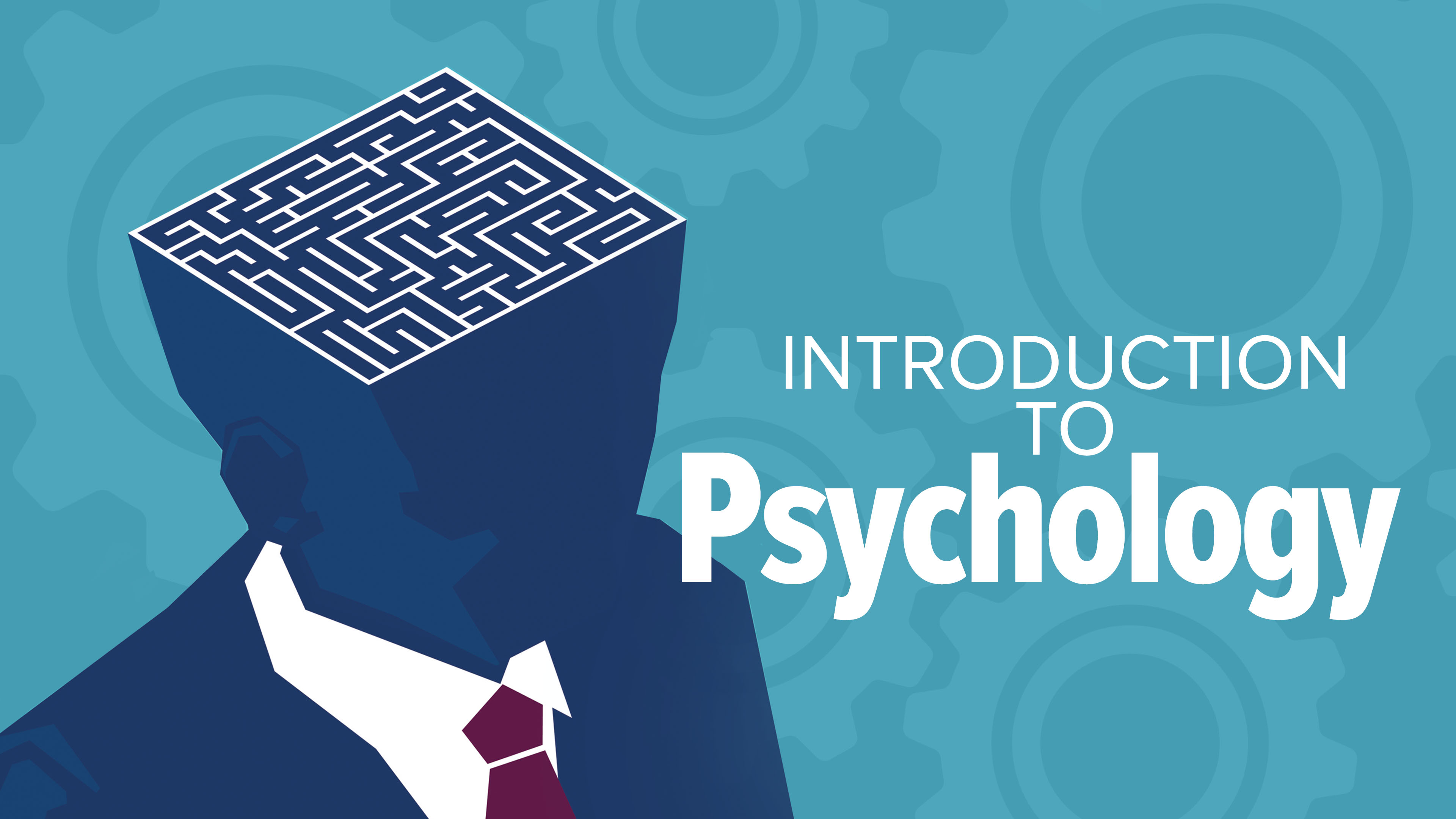
Introduction to Psychology
Professor Paul Bloom welcomes students and presents the course as a comprehensive introduction to the study of the human mind. Course readings and requirements are discussed. The five main branches of psychology are presented: neuroscience, which is a study of the mind by looking at the brain; developmental, which focuses on how people grow and learn; cognitive, which refers to the computational approach to studying the mind; social, which studies how people interact; and clinical, which
Last Updated 15.07.2025
3 Lessons02:19:24 Hours
Student Feedback
Average Rating
Includes :
- 01:48:08 Hrs on demand videos
- Lesson: 10
- Full lifetime access
- Access on mobile and TV